


Wait what? Yep, you read that title right. I’ve been stoked to write this series, since I brainstormed it out a few weeks ago. It’s amazing how intricate our bodies are AND how unbelievably connected everything is too. In this series, I plan to explain to you how it is POSSIBLE that our pinky toe can be aiding with your shoulder pain. Let’s start out with a test: Stand up tall with your arms
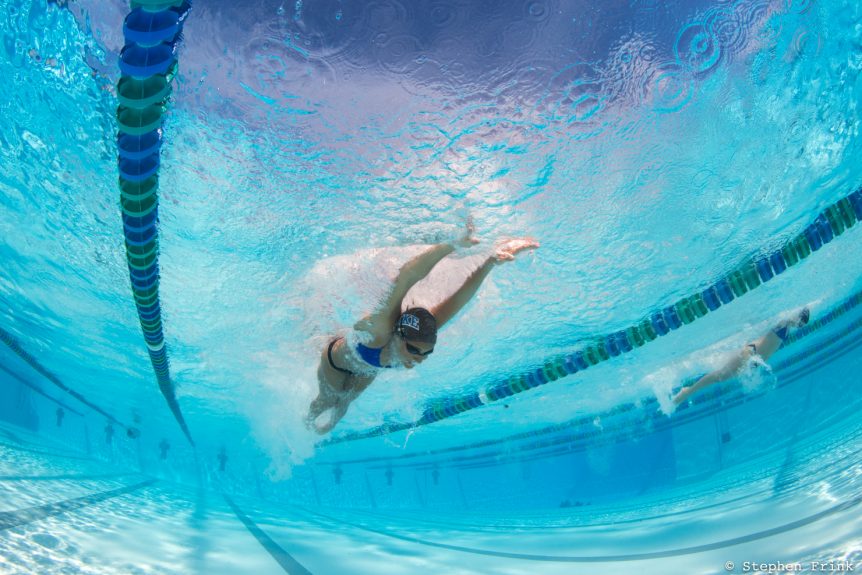
Welcome back, to our last and final segment on the Butterfly stroke. This week, we will discuss the last portion of the stroke—the Butterfly Pull. In this post, we will dissect some of the common errors seen within the pulling pattern, what the proper pulling technique is, and allow YOU to analyze a swimmer’s stroke to further train your coaching eye! In case you missed any parts of this series, here
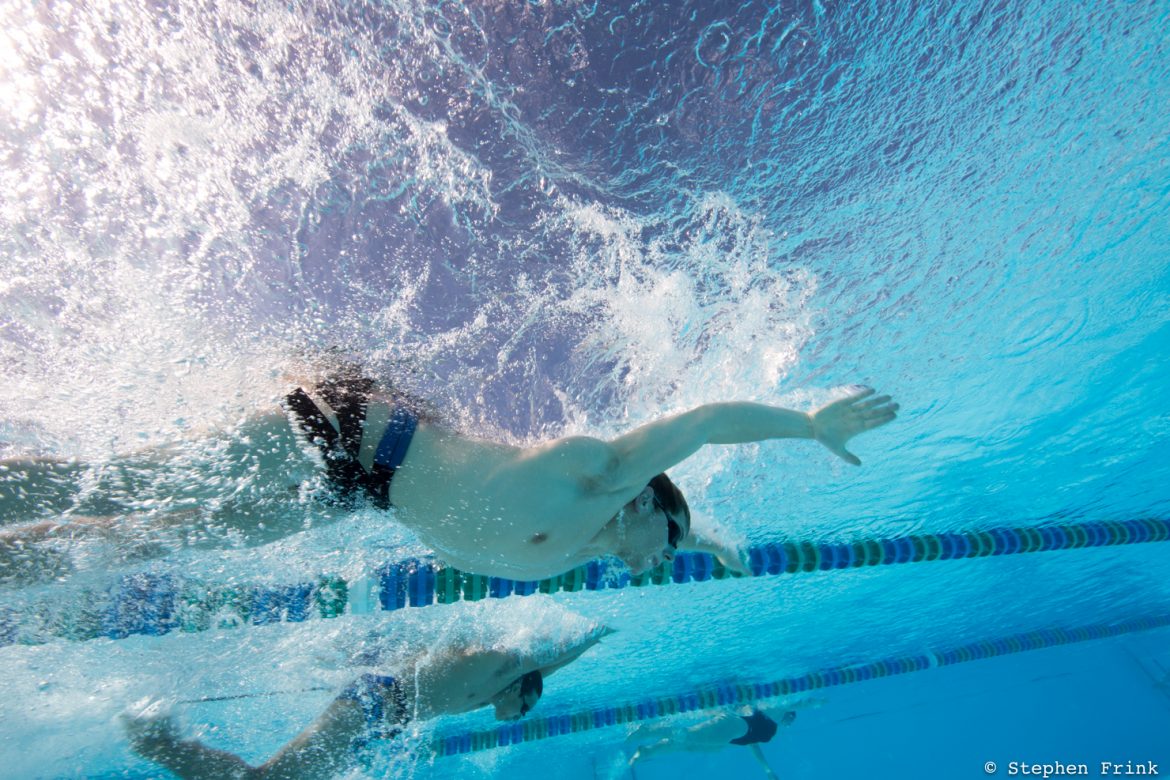
Welcome back to Part III of our VLOG series on the Butterfly stroke. Last week, we discussed why the second kick in Butterfly is the MOST important. This week, we will discuss kick timing in Butterfly, and why your dolphin kick is really your metronome. Also, we will touch on the pulling pattern in Butterfly, along with some common errors seen within the stroke due to incorrect kick timing. If you haven’t read last week’s
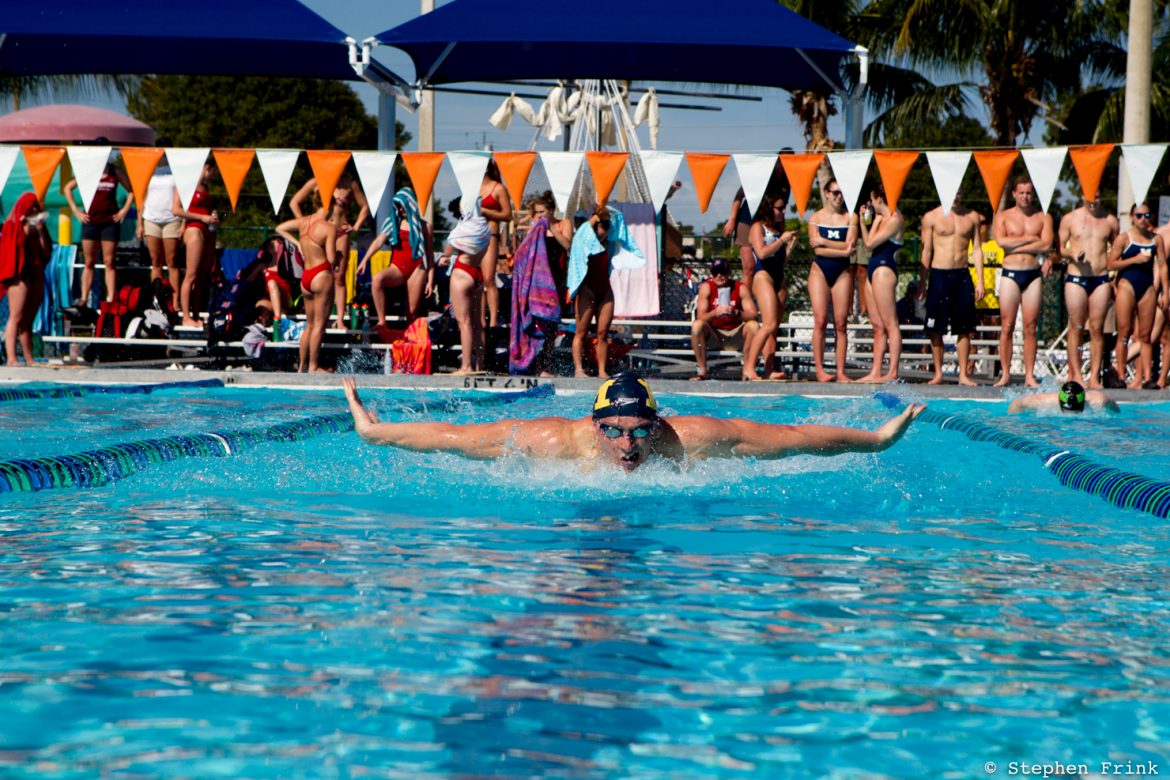
Welcome to Part II of our VLOG series on the Butterfly stroke. Last week, we discussed and analyzed flying forward in the pool and not diving down. This week, we will dive deeper into the Butterfly kick and discuss why constantly kicking in fly is key and WHY your second dolphin kick is more important than the first kick! In case you missed Part I–[CLICK HERE]! If not, let’s get started… Butterfly and Breaststroke are leg-driven strokes.

Welcome to my first ever V.A.Log—aka Video Analysis Blog. With this new series, we are going to dissect different aspects of the Butterfly stroke. For our first part, we are looking specifically at the undulating motion in fly—why this matters, what you can do to get better with undulating, and common mistakes made within the undulating motion (including an analysis of one of my swimmers)! Be sure to stay tuned throughout the
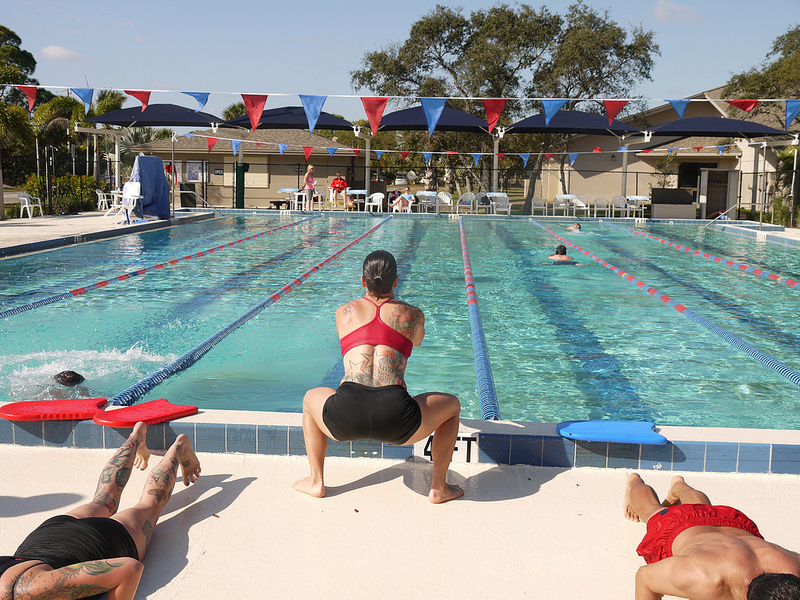
Welcome Back! Last week, we discussed the THREE common errors seen in many Crossfit Freestyler’s Strokes. If you haven’t read Part II of this series, [CLICK HERE]. For Part I, [CLICK HERE]. Overall, I’ve really enjoyed writing this series because we are targeting a new audience–with some not so “new” information. All of the errors from Part II are universal to your everyday swimmer, so this series is definitely applicable to more than just
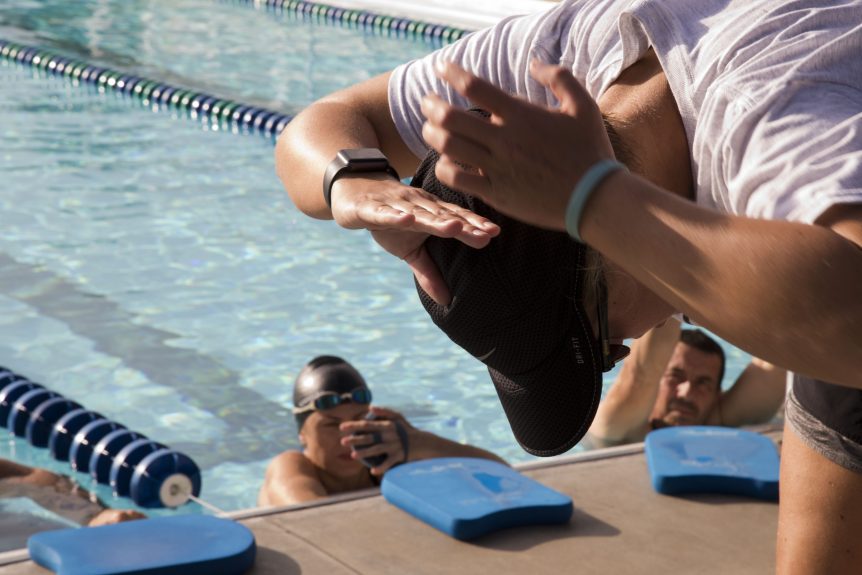
Welcome back! Last week, we discussed why swimming is a GREAT compliment to Crossfit and how swimming will actually improve your fitness and Crossfit level. In case you missed Part I of this series, [CLICK HERE]. This week, we are going to discuss THREE of the common errors seen in most Crossfit Freestyler’s Strokes! All of these errors are universal to swimmers, so if you’re not a Crossfitter—you should STILL read on! Let’s get started… A few

Since the Crossfit games started in 2011, swimming has been involved in one of the events. Some of the events even include a combination of swimming and running–really working your aerobic engine! There are very few athletes (besides swimmers, divers, and maybe a few other recreational water sports) that are born with the natural ability to float and not panic under a deliberate oxygen-deprived situation. For someone, who is a swimmer (and occasionally does
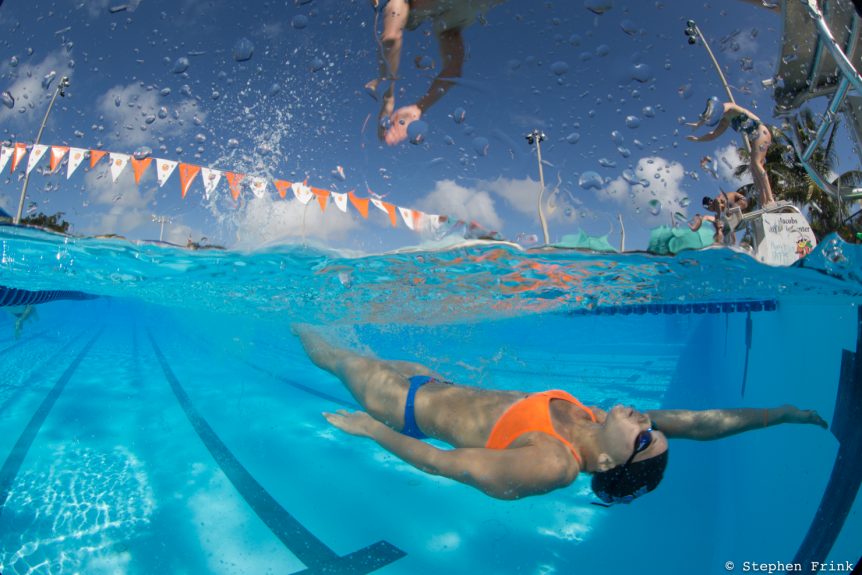
Welcome back to the last and final segment of our Backstroke series. For today’s post, we are going to discuss the 4 MOST common Backstroke technique errors. If you haven’t read Part’s 1-3, I’d highly recommend going back and reading them. Here are the links: Part I: [CLICK HERE] Part II: [CLICK HERE] Part III: [CLICK HERE] Let’s get started… There is NO doubt that Backstroke is a difficult stroke. As we discussed on Part
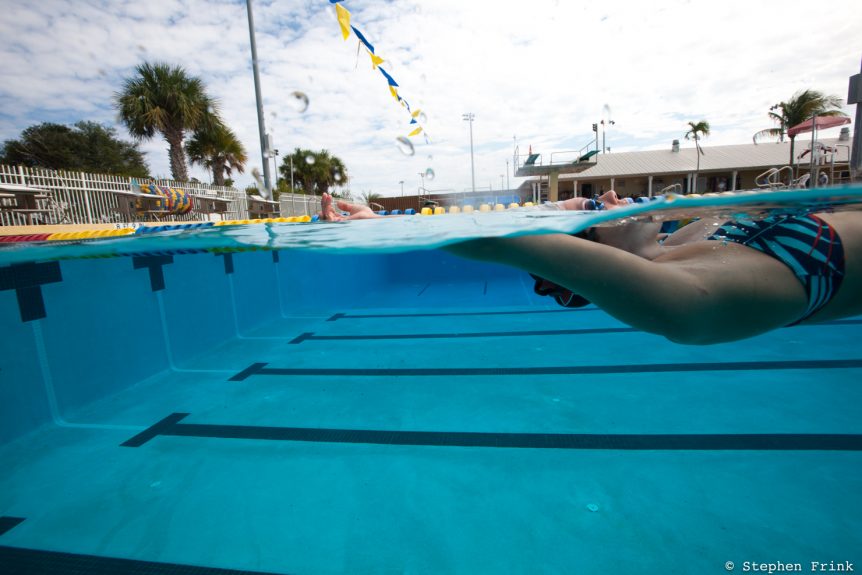
Welcome back to our 3rd segment of our Backstroke Series! Last week, we dove into the MAJOR difference between the Backstroke and Freestyle strokes. This week, we are going to discuss when to breathe during backstroke, and the benefits of a consistent breathing pattern. In case you missed last week’s post, click here to learn about the major difference between the long-axis strokes! Otherwise, let’s get started! Most swimmers think that best Backstroke