
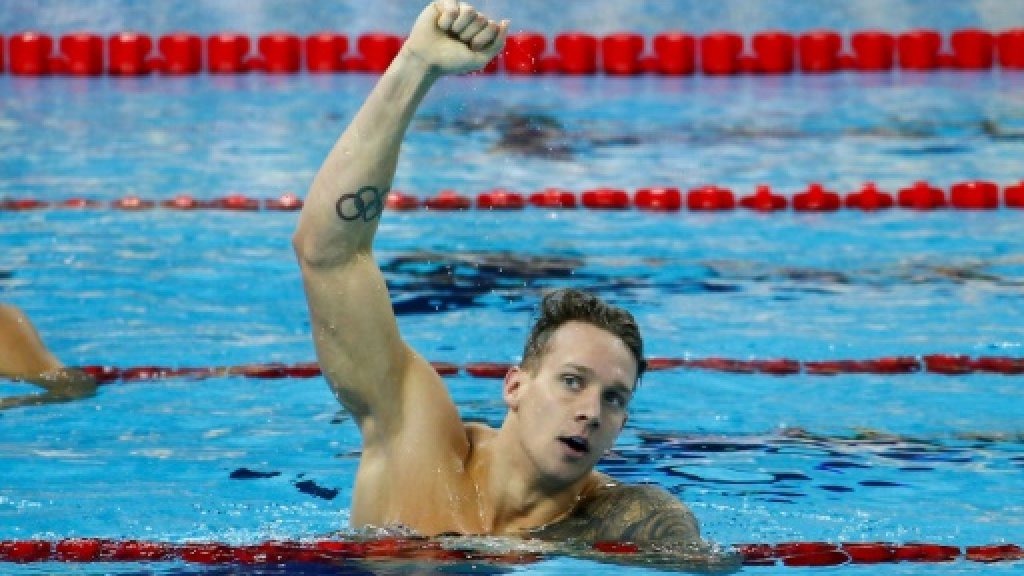
Recently, at the 2018 SEC Championships, Caeleb Dressel swam the 100-yard Breaststroke in NCAA Record time of 50.03 seconds. During his race, Caeleb spent over 50% underwater (55% to be exact), and it couldn’t be better timing for us, since we are finishing up our blog series on the IMPORTANCE of dolphin kicking placement during Breaststroke Pullouts! In case you’ve missed any of our prior parts of this series, [click here] to access them! If you
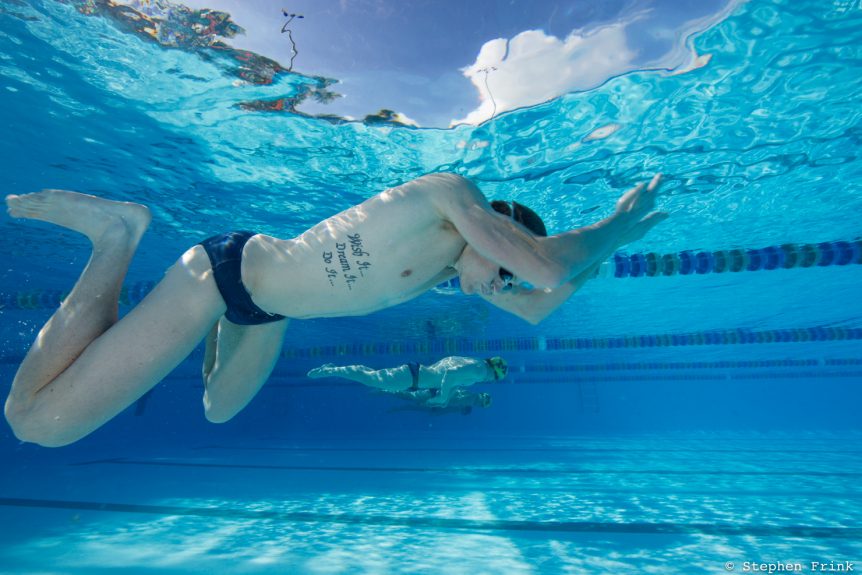
Welcome back to Part II of our series on Breaststroke pullouts. This week, we plan to dive in on where you should put your dolphin kick during your Breaststroke pullouts and why the dolphin kick placement is important. In case you missed Part I of this series, [CLICK HERE] to catch up. Let’s get started! As we discussed in our latest blog post, there’s really TWO places swimmers can put their dolphin kick in
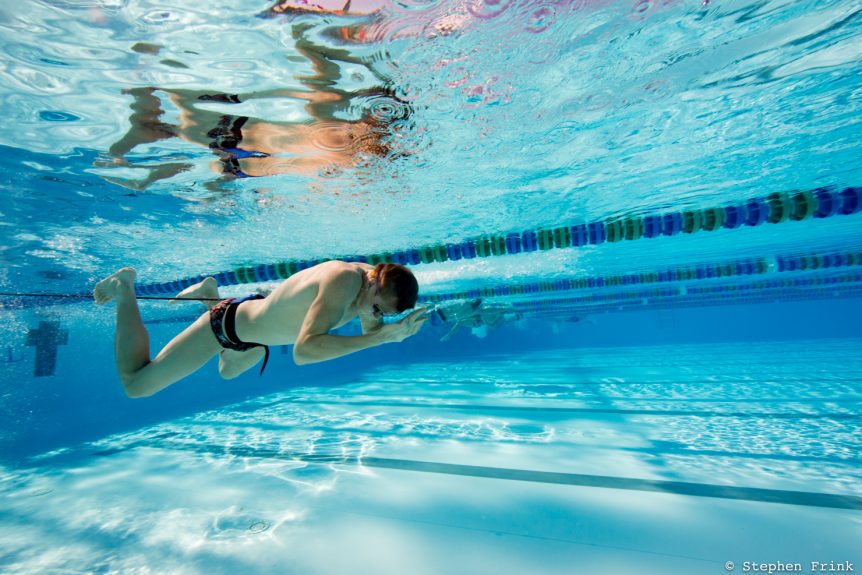
The rules for the Breaststroke pullout has changed A LOT over the past few years. With Kosuke Kitajima and many other swimmers performing illegal dolphin kicks during the Breaststroke pullouts, it caused some major controversy. With no legal dolphin kick being allowed originally, to now one dolphin kick being permitted prior to the first Breaststroke kick—there’s less than 5 seconds of underwater pullout time. Do you know if those 5 seconds of time
![[Freestyle Recovery]–Reducing your Stroke Rate can INCREASE your Heart Rate??](https://slafbefore.danmillercoding.com/wp-content/uploads/2019/06/yo.jpg)
First off, I look at Freestyle Recovery as dependent on Race Distance. Basically, it’s an inverse relationship. For example, the longer the race distance—the smaller Freestyle recovery level needed. Basically, I define the Freestyle recovery through 3 DIFFERENT levels. There are long distance races, middle distance, and sprints–each with their own correlating recovery levels. 1.) Straight Arm Recovery Mostly seen in sprinters, and allows the stroke rate to get REALLY HIGH due to arm spending less
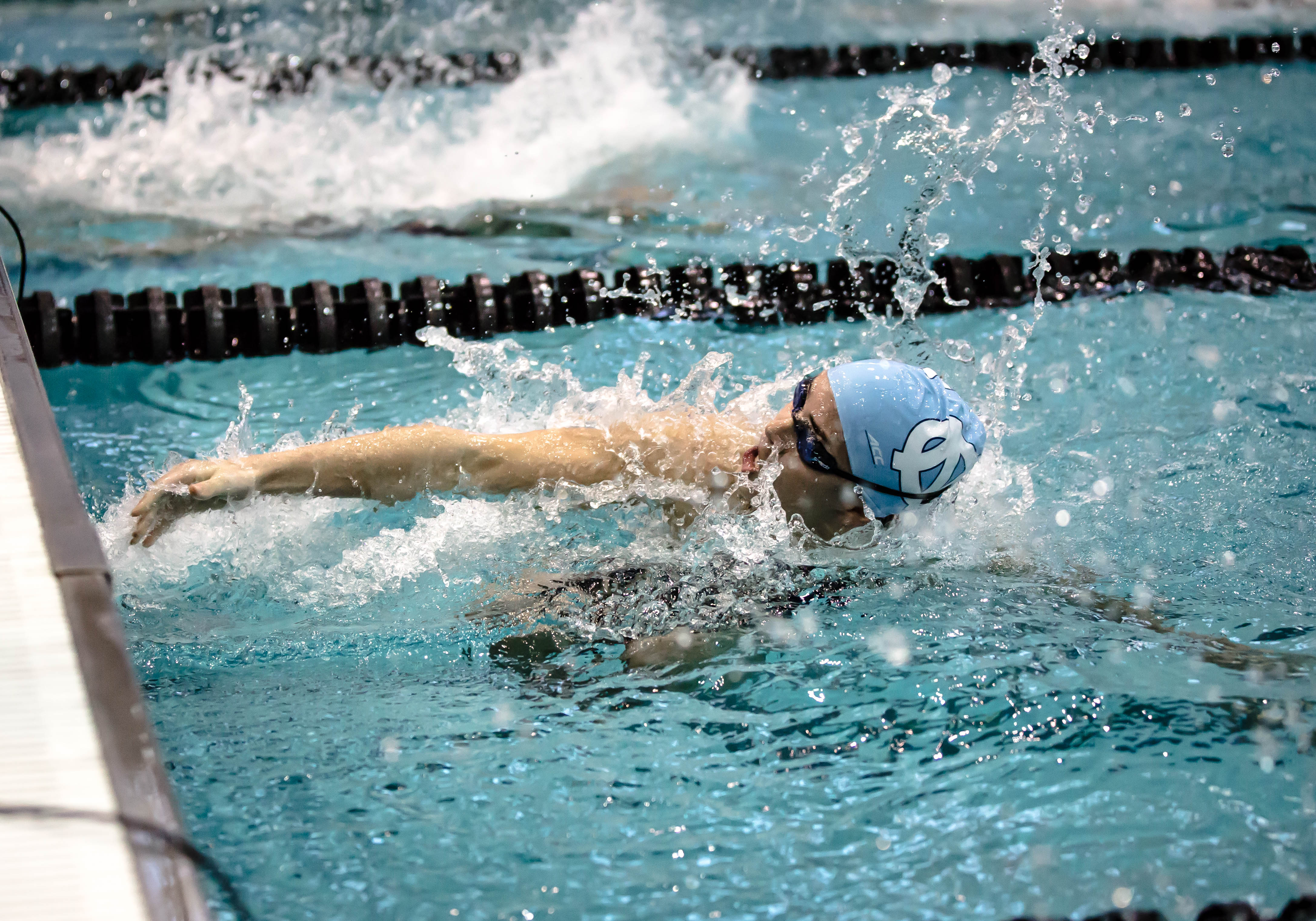
Welcome to our third segment on Open Turns. This week, we will be discussing the SECRET to a PERFECT Push and Glide off your walls– after completing either The Crunch or The Spin turn. If you’re not sure which turn you should be utilizing, [CLICK HERE] to learn more about the pros and cons of each of these Open Turn styles! Otherwise, let’s get started. As we talked about last week, a swimmer will complete an
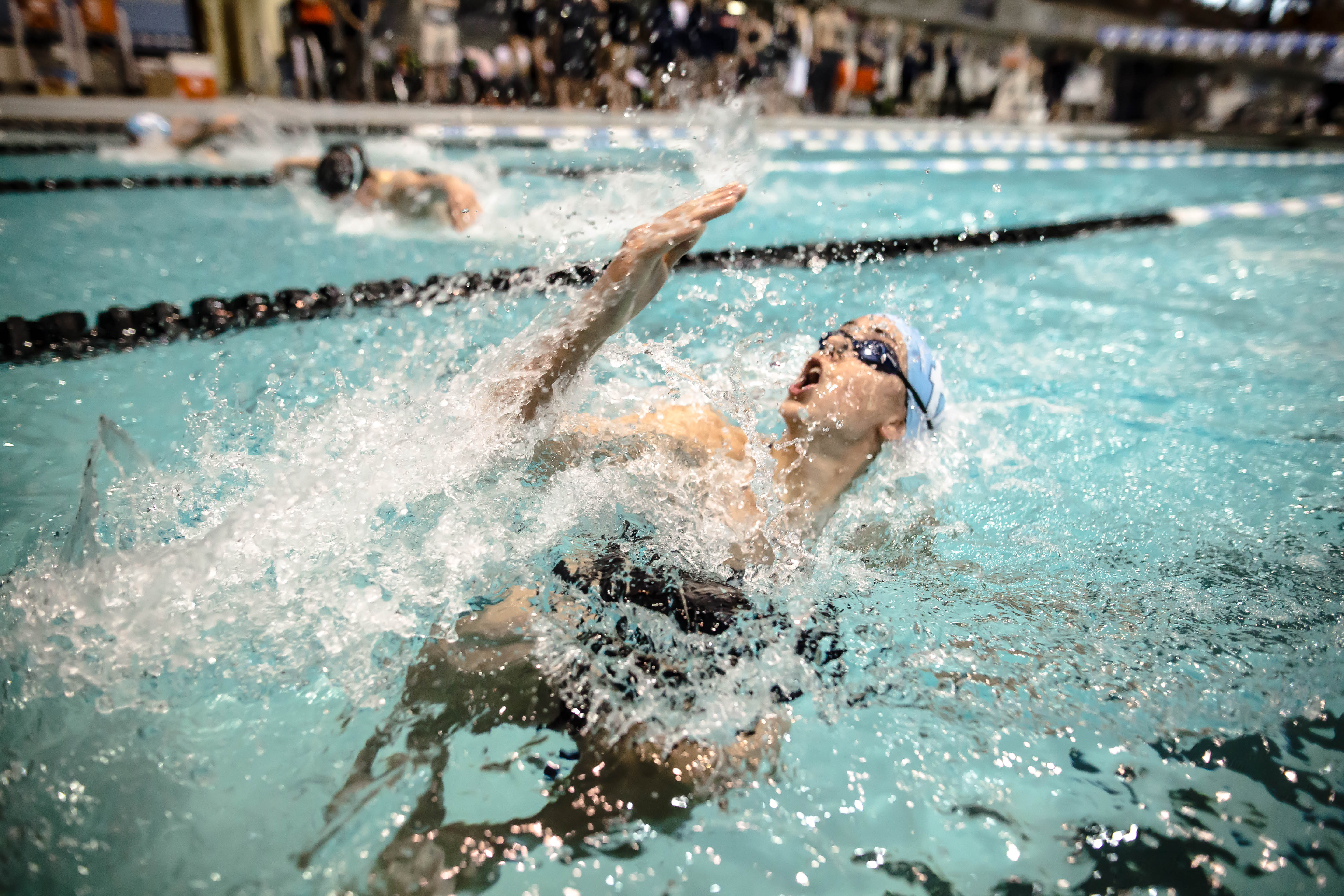
Two weeks ago, we discussed the 3 steps swimmers must do to setup for PERFECT open turns. This week, we are diving deeper into what happens after swimmers have completed those 3 steps and both of their hands have touched the wall. In case you haven’t read Part I of this series, [CLICK HERE]. Otherwise, let’s get started! In reality, there is only two styles of an open turn. The two styles are
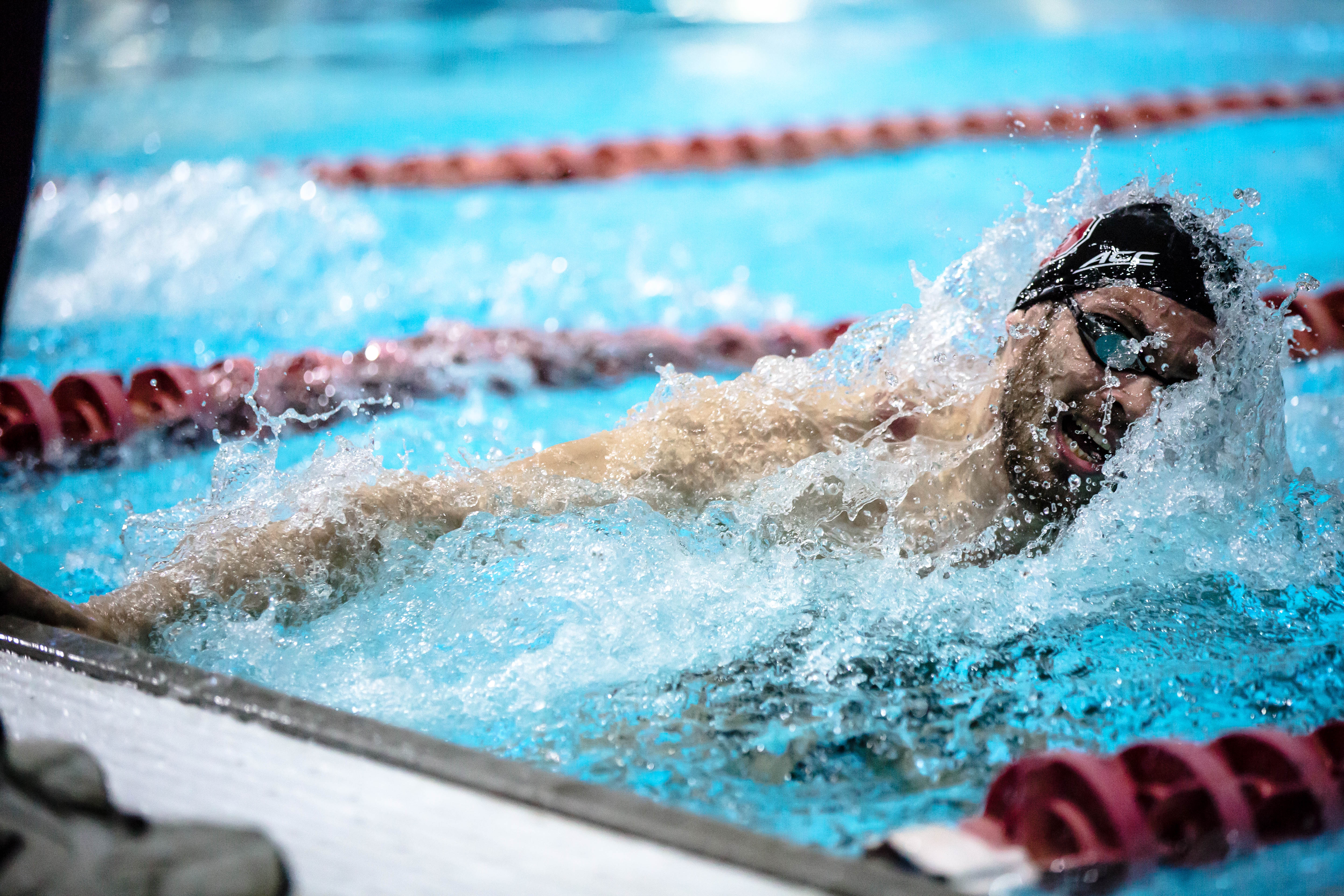
Perfecting your open turns is a definite must for all swimmers. Whether you’re at the developmental level, an IMer, and/or performing kick sets with a board at practice—knowing how to get your body into an optimum position, after finishing with a hand touch is crucial to fast swimming. In our next series, we will breaking down Open Turns very similar to our Flipturn Series to help you improve your Open Turns! Let’s
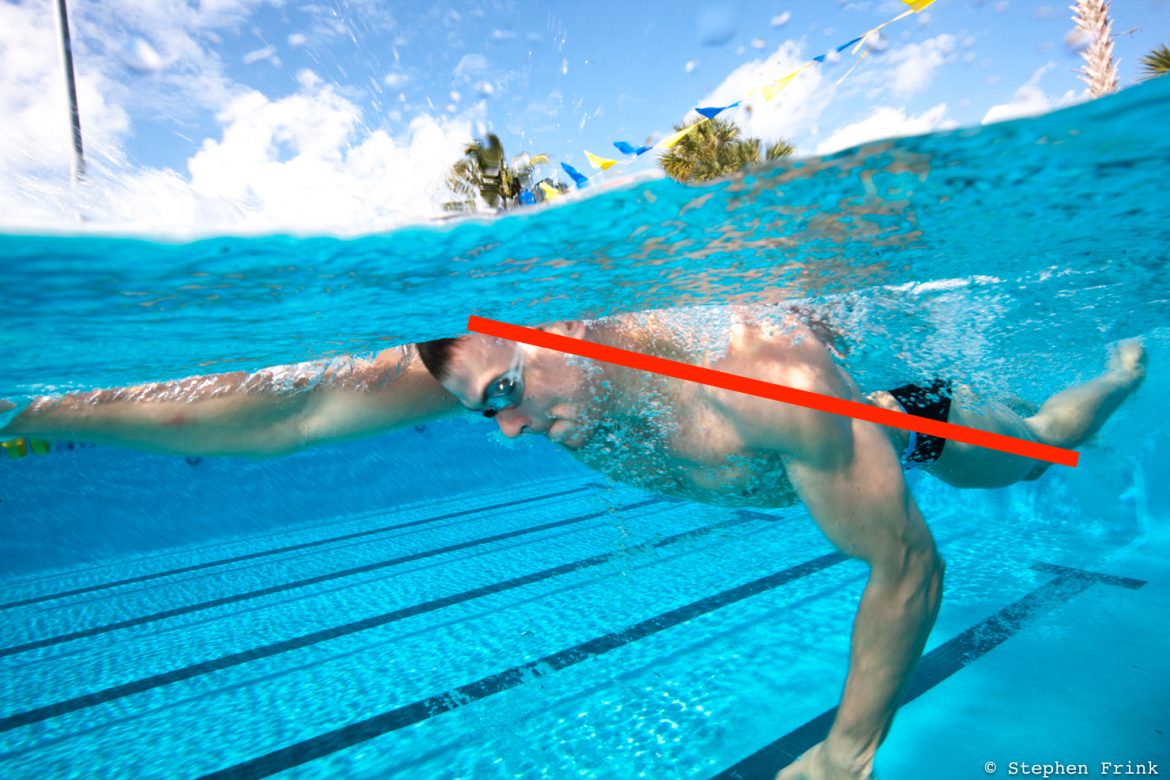
Welcome back to Part II of our blog series on Proper Body Alignment. This week, we will be discussing how to NOT SnowPlow against the water, but rise above it. In case you haven’t read Part I of this series, [CLICK HERE] to catch up. Let’s get started! As we discussed in Part I of this series, the stronger and more muscular you are—the harder it is to float. With this as swimmers,
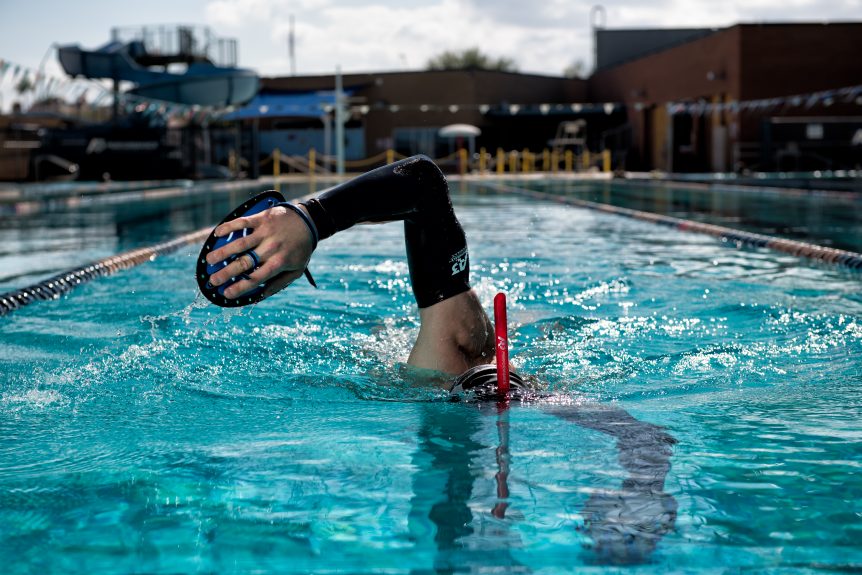
Proper Body Alignment leads to FASTER swimming—but how exactly do you do it? In our next blog series, we will be discussing the KEYS to Proper Body Alignment to help YOU swim FASTER! Let’s get started… Humans are nothing like fish. We cannot breathe underwater, and our bodies resemble more of a brick in the water–than anything aquatic related. With this, there isn’t too many things we can do to anatomically change our body shape. We are
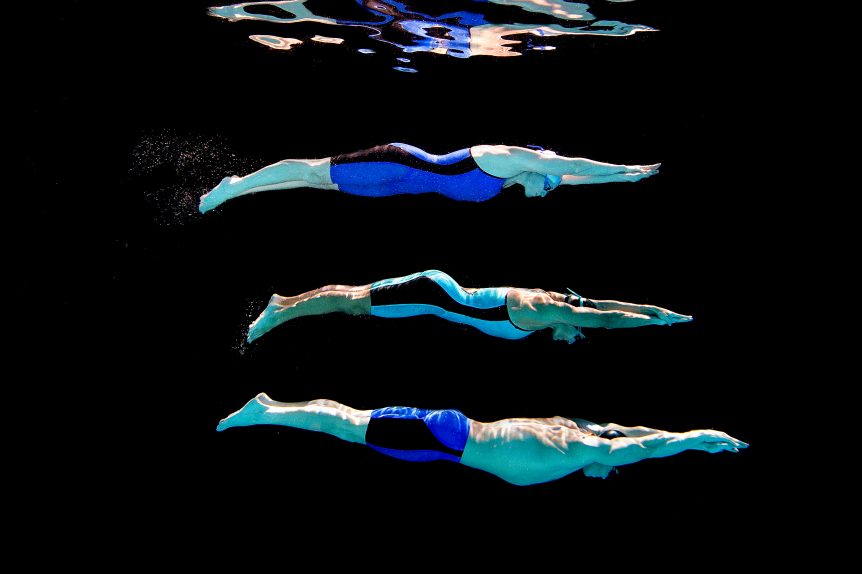
Welcome back! A few weeks ago, we discussed the TWO different Streamline styles. This week, we are going to discuss what 7 STEPS you perform to IMPROVE your Swimming Streamline! If you haven’t read Part I of this series, [CLICK HERE]. Otherwise, let’s get started! The streamline is the most hydrodynamic position swimmers can be in, that’s why it’s VITAL your streamlines are executed correctly–100% of the time. Here’s a checklist to understand whether your streamline is on-point or